How play-based learning supports early growth
Introduction
Play-based learning is an essential approach in early childhood education, allowing children to explore, experiment, and engage with their environment. At Bodhi Briksha, we believe that learning through play is not just fun—it is a critical way to develop social, emotional, cognitive, and physical skills during the formative years.
Why play-based learning matters
Children learn best when they are actively engaged and motivated. Play-based learning encourages curiosity, problem-solving, and independent thinking. Instead of passive instruction, students participate in activities that make learning meaningful and enjoyable. Through play, children develop confidence, resilience, and collaboration skills that form the foundation for lifelong learning.
Key benefits of play-based learning
1. Cognitive Development
Through structured and unstructured play, children strengthen memory, attention, reasoning, and critical thinking skills. Problem-solving and decision-making are naturally integrated in playful activities.
2. Social Skills
Group play encourages communication, sharing, empathy, and teamwork. Children learn to negotiate, resolve conflicts, and build positive relationships.
3. Emotional Growth
Play helps children express emotions, understand feelings, and develop self-regulation. They learn patience, persistence, and how to handle success and failure.
4. Physical Development
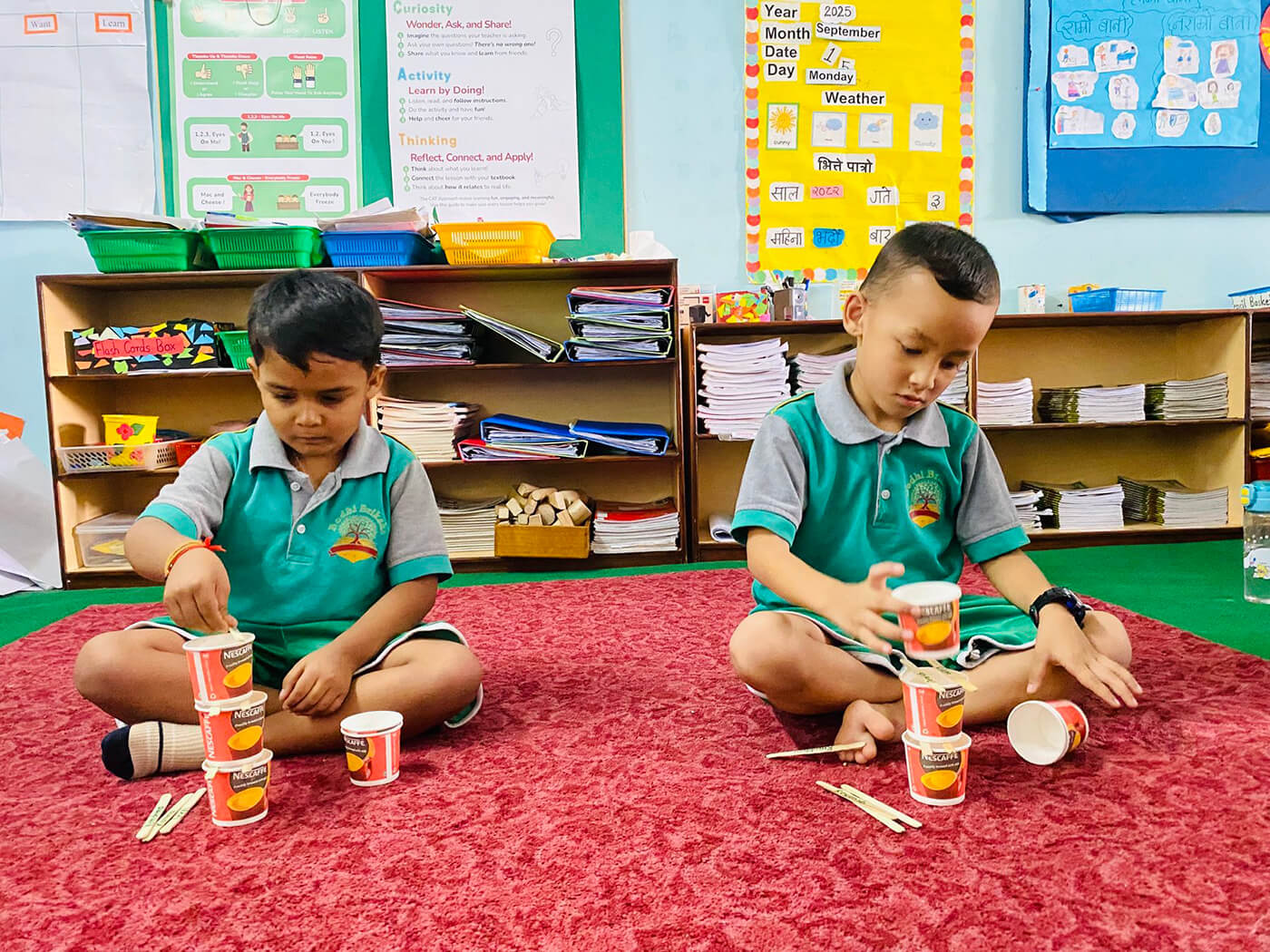
Activities like building blocks, role-playing, or outdoor games improve coordination, balance, strength, and fine and gross motor skills.
5. Creativity & Imagination
Art, music, role-play, and exploration spark creativity, imagination, and innovative thinking, fostering a lifelong love for learning.
6. Language & Communication
Through storytelling, discussion, and pretend play, children expand vocabulary, enhance comprehension, and improve verbal expression.
When children play with purpose, they build the confidence, curiosity, and foundational skills that shape lifelong learning.”
— Early Childhood Expert
How bodhi briksha implements play-based learning
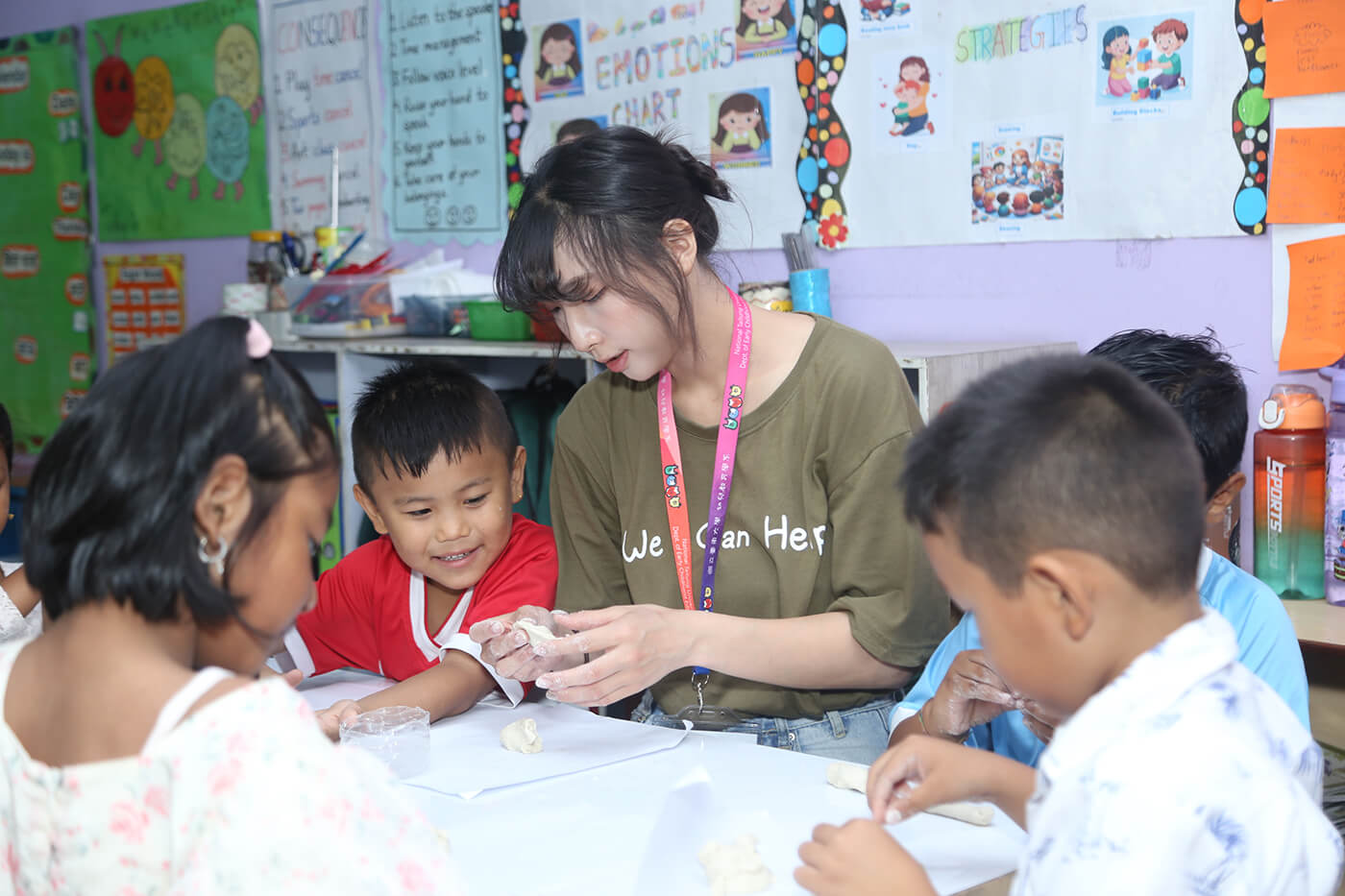
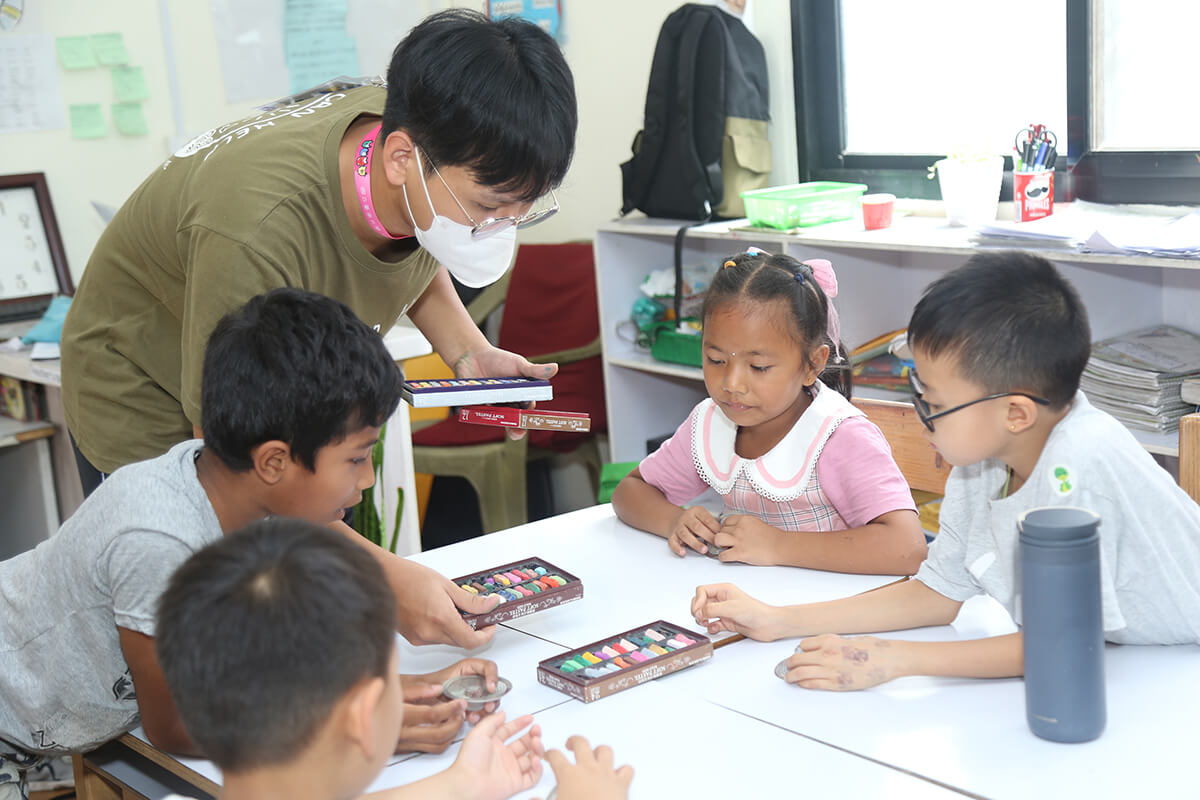
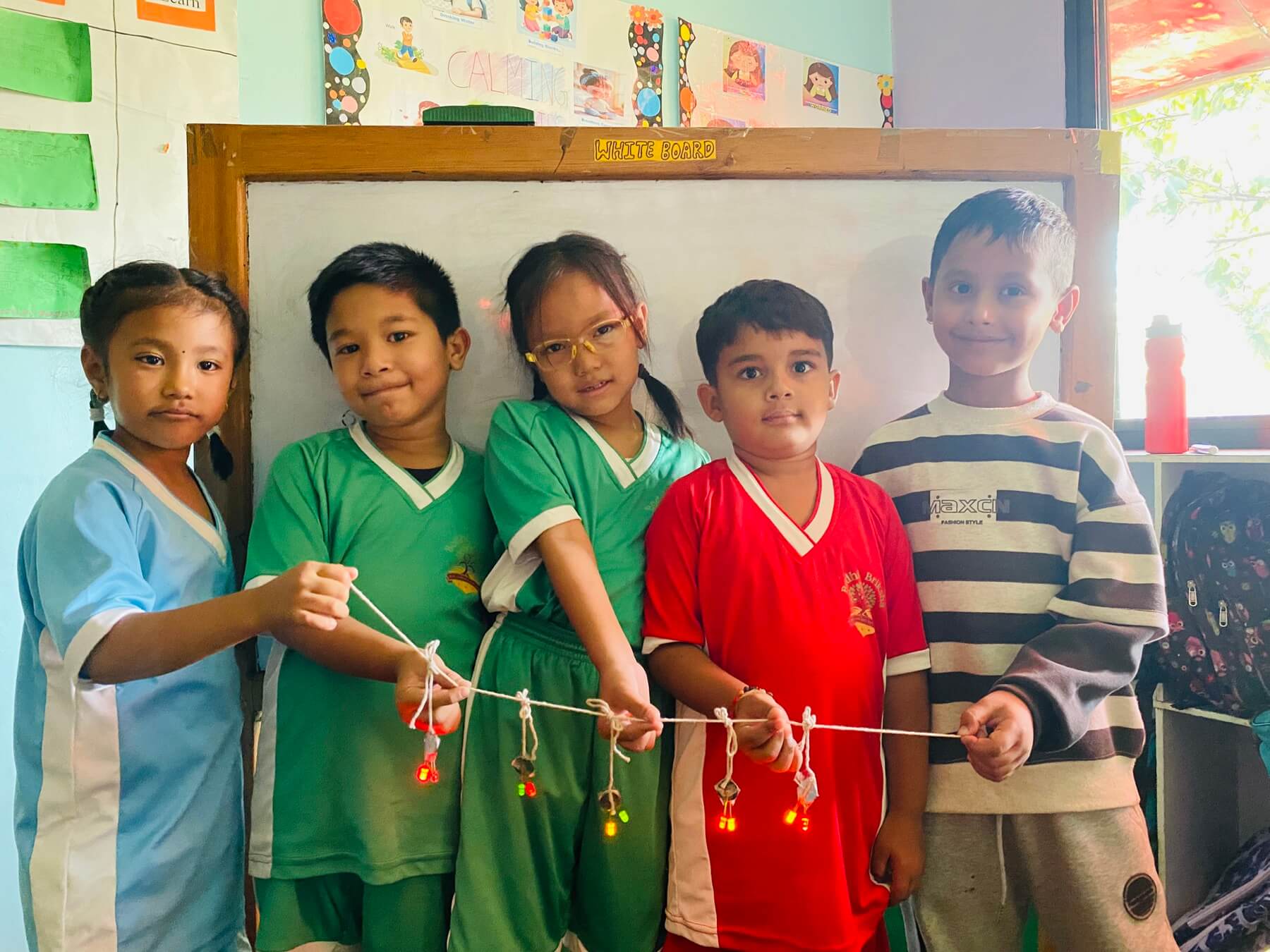
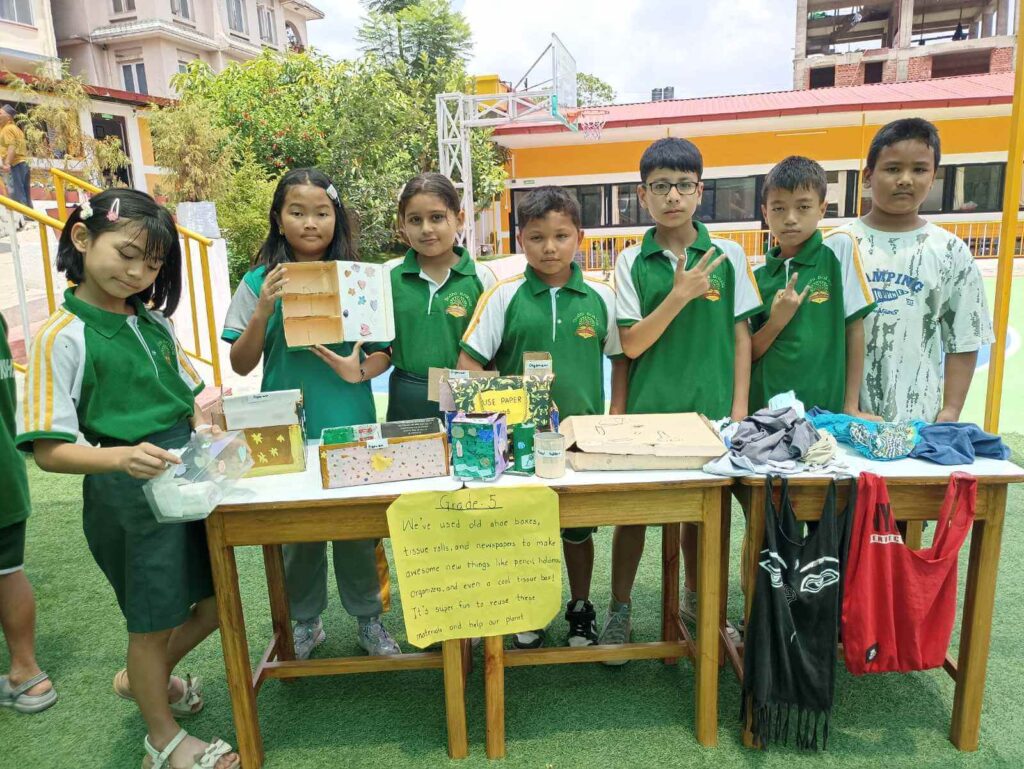
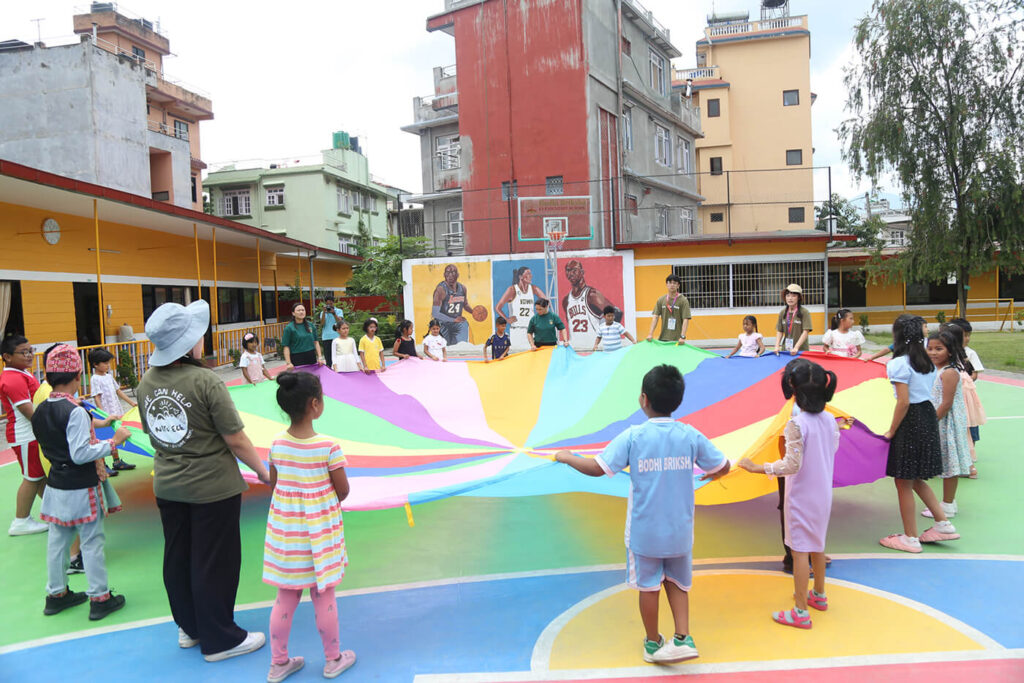
At Bodhi Briksha, our classrooms are designed to support exploration and discovery. Learning centers, activity corners, and outdoor spaces provide opportunities for hands-on experiences. Teachers act as facilitators, guiding children to ask questions, experiment, and reflect on their learning. Play is integrated into every part of the day—from morning routines and storytime to art, science, and movement activities.
Tips for parents to support play-based learning at home
- Provide open-ended toys and materials that encourage creativity.
- Allow children to make choices and solve problems independently.
- Participate in imaginative and role-play activities together.
- Encourage outdoor exploration and physical activity.
- Read, sing, and tell stories to enhance language development.
- Observe and celebrate small achievements to build confidence.
Conclusion
Play-based learning is more than just fun—it is a powerful tool for early growth. By fostering curiosity, creativity, and holistic development, children develop the skills and confidence needed to thrive in school and life. At Bodhi Briksha, we integrate play into every learning experience, ensuring that each child’s journey is joyful, meaningful, and growth-focused.